


39% interviewed after working hours
Pet Circle used on-demand AI screening interviews for high-volume blue-collar hiring, with 39% of candidates completing interviews after hours.
Read the Pet Circle storyRetail and hospitality hiring
Collect role-specific availability and experience, apply your screening criteria, and give local managers candidate evidence to review. Reduce repetitive screening and chasing so managers can focus on their teams, customers, and shifts.
Hiring in action
Multi-location frontline hiring

Candidate experience that works around shifts
“This was my first time interacting with an AI interviewer, and I have to say, it was really exciting. Alex guided the conversation naturally, and it felt surprisingly human.”
From application to local manager review
Set role requirements and use a consistent first screen across stores and venues. Route uncertain answers for review and give local managers the evidence they need to decide who to meet.
Define role-specific questions for work rights, location, customer handling, and weekend or late-shift availability. Reuse the same criteria across locations while tailoring the flow by role.
Use consistent criteria while tailoring questions to the role.
Explore pre-qualificationProgress clear matches, filter clear mismatches, and hold uncertain applications for hiring team review. Local managers stop opening every CV just to discover who can work the roster.
Give managers candidate evidence before the first call.
See role-specific routingWhen AI screening interviews are enabled, invite suitable candidates to a role-specific interview on mobile or desktop within the campaign window. Use a consistent core question set without waiting for a manager’s calendar.
Keep the next step moving around candidate schedules.
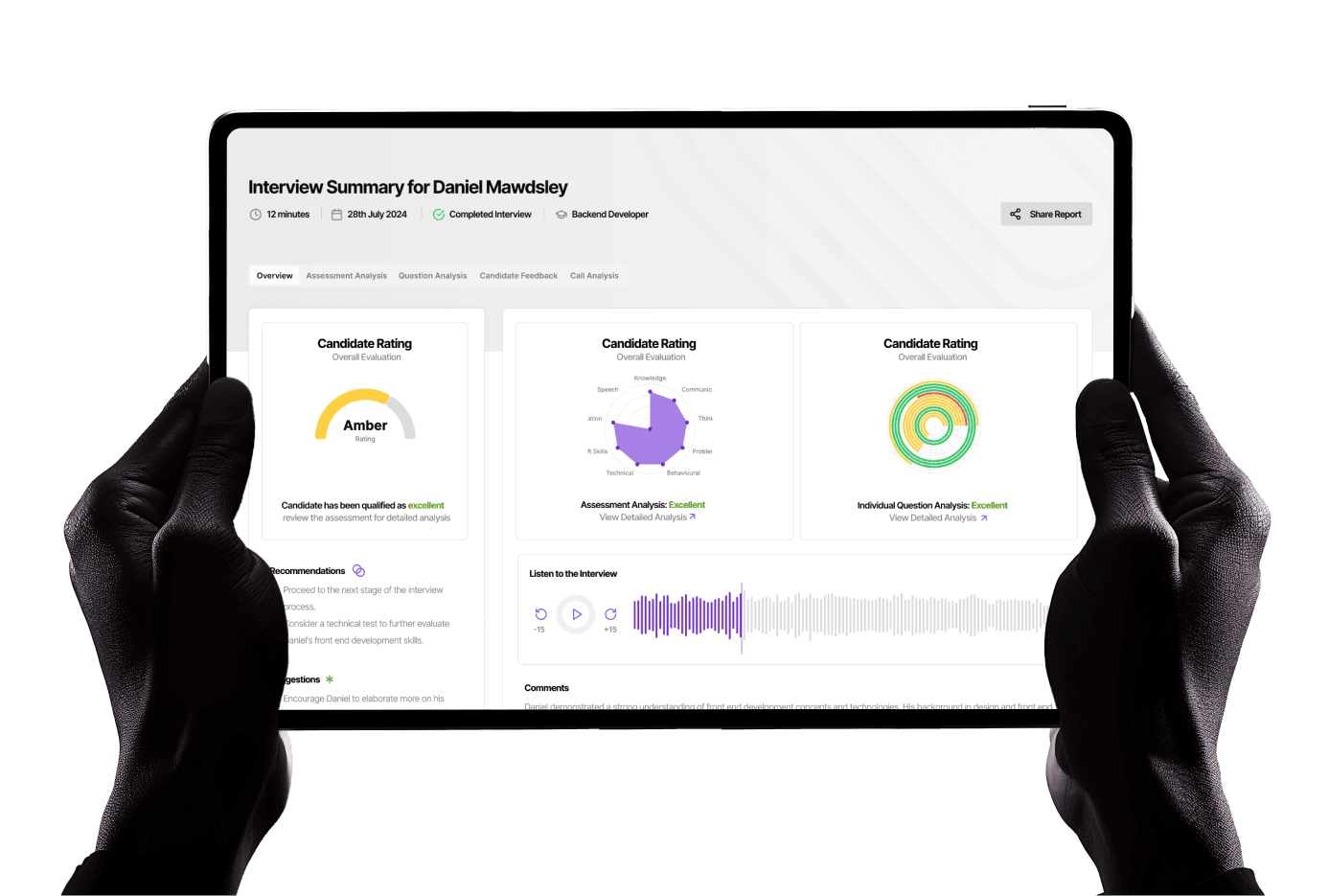
Explore AI screening interviewsBring the recording, transcript, evaluation, and question-by-question analysis into one review. Authorised managers review evidence for their assigned roles and decide who moves forward.
Consistent screening without taking control away from the location.
Explore AI screening interviewsOne standard, local control
Skill Society handles the repetitive first pass while store and venue managers stay accountable for who they meet and hire.
Customer outcomes across Skill Society
Pet Circle used on-demand AI screening interviews for high-volume blue-collar hiring, with 39% of candidates completing interviews after hours.
Read the Pet Circle story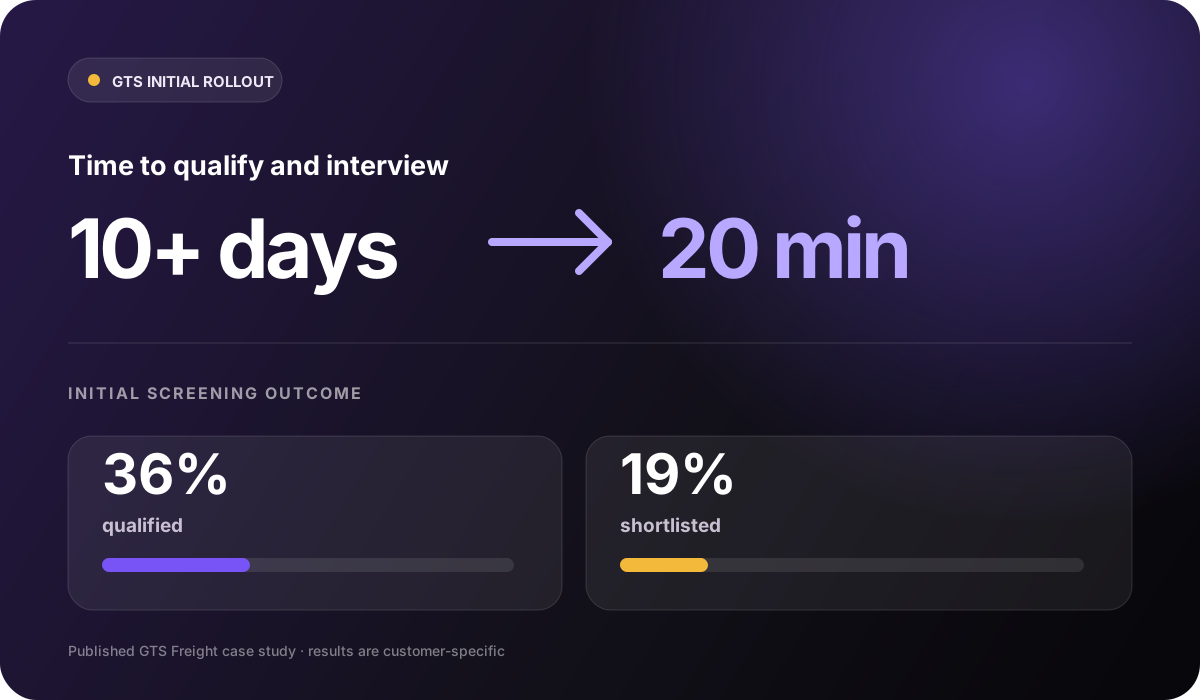

In its documented initial rollout, GTS reduced qualification and interview time from more than 10 days to 20 minutes. This measures the first screening stages, not the time to a completed hire.
Read the GTS case study
Wilbur’s case study reports more than 40 hours saved per hire after introducing AI screening interviews for technical screening. This result came from its wider hiring workflow.
Read the Wilbur storyStart with one location or role
These examples come from blue-collar, transport, and technical hiring workflows, not a measured retail or hospitality benchmark. Book a demo to map one store or venue role and measure your own results.
Questions, answered
Set role requirements, give managers the right access, and keep human review in the process.
Skill Society collects role-specific applications, applies your pre-qualification rules, and can invite suitable candidates to AI screening interviews. Hiring teams review the answers and interview evidence before deciding who progresses.
Yes. Each role can have its own application questions, pre-qualification rules, job description, and interview configuration. You can ask about the location, weekend or evening availability, and relevant customer experience needed for that role.
Yes. When AI screening interviews are enabled, candidates can complete the interview on mobile or desktop within the role’s interview window without booking a screening call. Your team sets the questions and campaign timing.
Administrators can assign Members to specific active roles and delegate eligible features. Assigned Members can review and operate within those roles; Administrators retain account-wide access and configuration controls. Access is organised by role, not an automatic store or region hierarchy.
No. Candidate answers and uploaded documents provide evidence for review. Your team verifies work rights, availability, and any required credentials, reviews uncertain answers, and makes the hiring decision. Customer case-study results are specific to their workflows and are not guaranteed outcomes for your venues.